
Tax Compliance
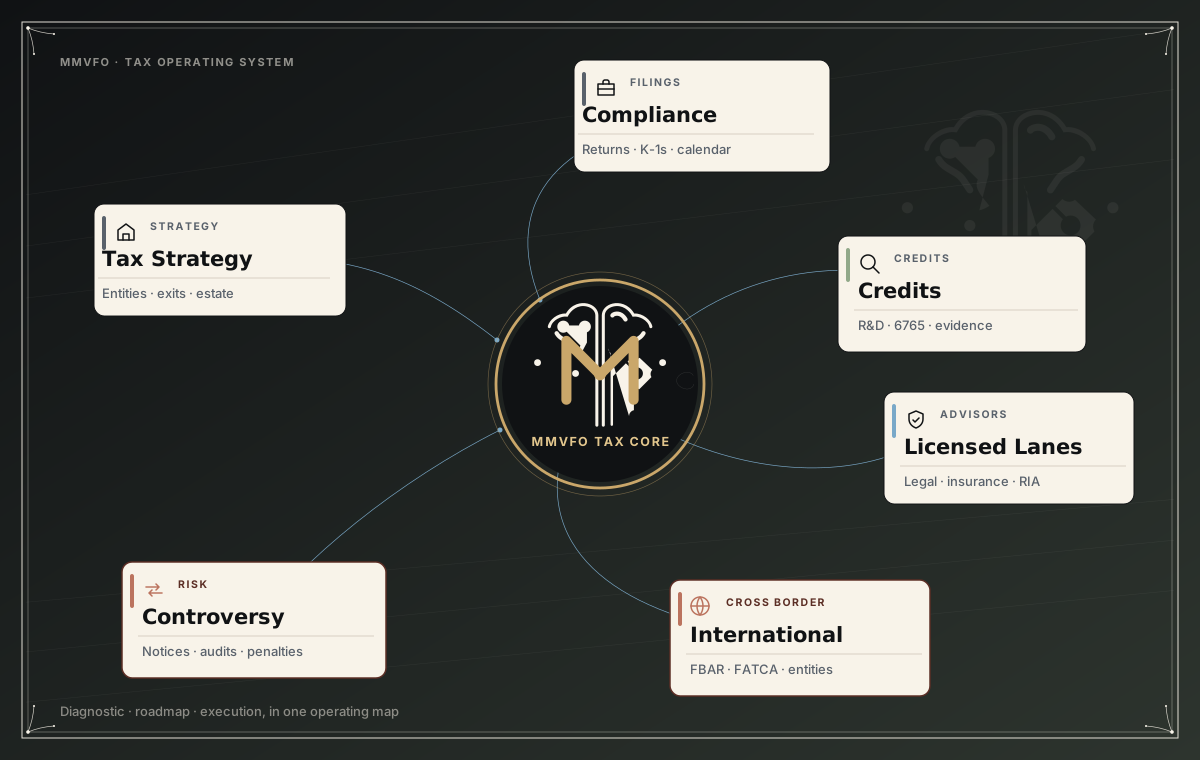
Tax operating map
MMVFO turns disconnected tax, filing, controversy, international, risk, and advisor inputs into one operating view.
Who this serves
C corporations, startups, founder-led companies, venture-backed businesses, manufacturers, product companies, and companies preparing for financing or exit.
Common risks
Corporate returns can miss planning context when equity history, R&D documentation, owner transactions, state filings, related-party items, and QSBS records are not coordinated.
MMVFO process
MMVFO coordinates return questions, credit files, state exposure, transaction context, equity documentation, advisor review, and post-filing planning notes.
This page is educational and does not provide tax, legal, accounting, investment, insurance, or other professional advice. Return preparation, review, signing, and filing responsibilities depend on written scope and review by qualified professionals.
Credits and deductions
R&D credits, Section 174A treatment, Section 280C elections, energy incentives, depreciation, NOLs, and business interest limits should be reviewed with the return team.
Founder and diligence context
Corporate filings can affect QSBS support, financing diligence, exit readiness, investor reporting, and founder-level planning.