
Short answer
What does business owner tax planning coordinate?
It connects the entity return, the owner’s personal return, compensation and retirement decisions, available credits, state exposure, and eventual succession or sale into a single reviewable picture.
What gets looked at first
- Entity structure and elections
- Reasonable compensation
- Retirement plan fit
- Credit and incentive eligibility signals
- Multistate nexus
- Depreciation and expensing posture
- Succession context
What a first engagement looks like
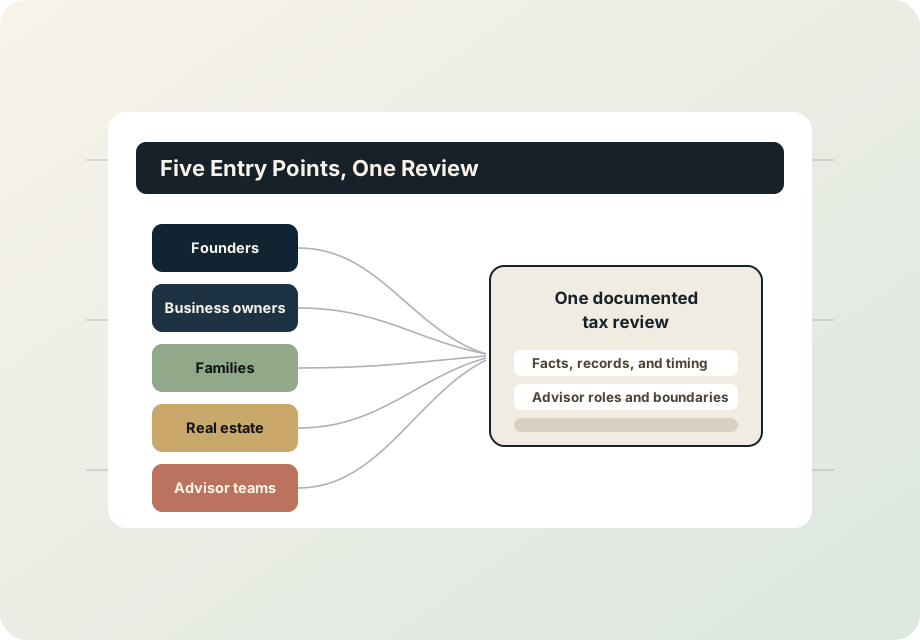
The process builds an entity and owner map, compares treatment alternatives, identifies documentation the company does not yet have, and coordinates the company preparer and counsel before positions reach a return.
Records to organize
- Entity formation and election documents
- Prior returns for the company and owners
- Financial statements
- Payroll records
- Asset ledgers
- State activity data
- Any buy-sell or succession agreements
Who this is for
Owners of closely held companies, professional practices, family businesses, and multi-entity operating groups, together with their CPAs and attorneys.
Licensed-professional boundaries
This page is educational and does not provide tax, legal, investment, insurance, financial planning, securities, or other professional advice. Client-specific work requires written scope and review by qualified professionals.
FAQs
No. The work is designed to connect strategy, records, and return preparation rather than displace the existing relationship.
Often. Structure chosen at formation may no longer fit current income, ownership, state footprint, or exit plans.
Well before a sale or transfer. Valuation, entity structure, and estate coordination all take time to document.