
Short answer
What this page answers
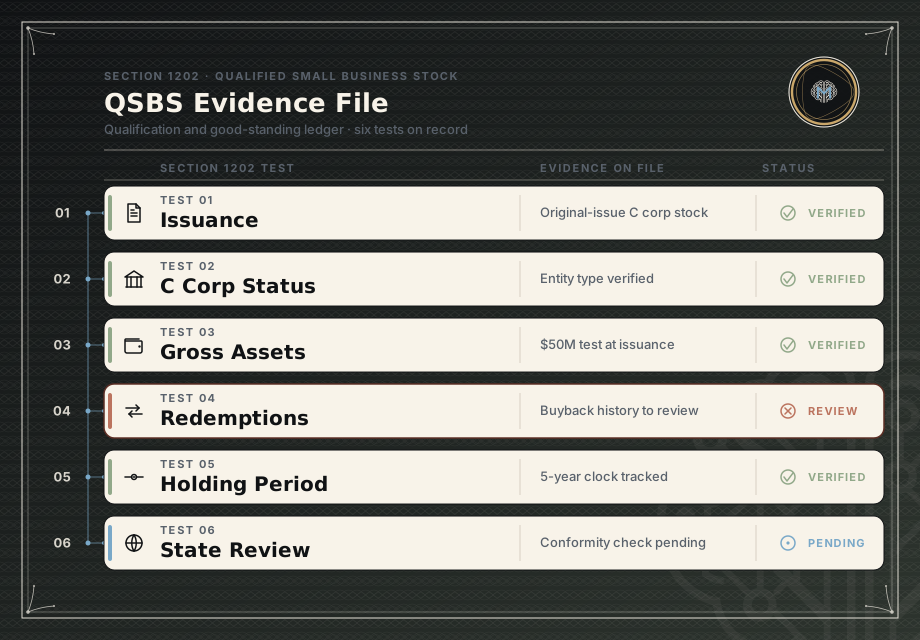
A QSBS Section 1202 readiness study should review corporate status, original issuance, holding period, gross assets, active business activity, redemptions, transfers, state conformity, and supporting records before exit pressure builds.
Tax Strategy
QSBS evidence file
Section 1202 planning is organized around stock records, corporate history, gross-asset facts, redemption history, holding period, state treatment, and exit timing.
Who this serves
Founders, investors, early employees, family offices, venture-backed companies, and advisors reviewing potential qualified small business stock treatment.
Common risks
QSBS is often evaluated at exit, when corporate history, issuance records, redemptions, conversions, state treatment, trust transfers, and asset-test support may be difficult to repair.
MMVFO process
MMVFO creates a QSBS fact map, organizes corporate and shareholder records, identifies open questions, and coordinates tax and legal review before transaction pressure builds.
Documentation file
The file may include incorporation records, stock ledgers, purchase documents, 83(b) elections, financing history, capitalization tables, redemption history, tax returns, and company activity support.
Planning coordination
Trust transfers, charitable gifts, state residency, installment sales, secondary transactions, and entity changes require coordinated review with counsel and tax professionals.
Scope and professional boundaries
This page is educational and not tax, legal, accounting, investment, insurance, or other professional advice. Client-specific work requires written scope and review by qualified professionals. QSBS eligibility and transaction planning require client-specific tax and legal review.
MMVFO coordinates strategy, diagnostics, documentation, and advisory execution. Legal, investment advisory, financial planning, securities-related, insurance, and other regulated services are provided only by properly licensed or registered professionals under appropriate written terms.