
Short answer
What belongs in a real estate owner’s tax review?
Ownership structure, basis and depreciation history, passive activity posture, financing, state exposure, exchange eligibility, and a comparison of the deferral paths available before the relinquished property closes.
What gets looked at first
- Entity ownership
- Basis schedules
- Depreciation and improvement history
- Cost segregation fit
- Passive activity posture
- Debt
- K-1 reporting
- State treatment
- Section 1031 or Delaware statutory trust considerations
What a first engagement looks like
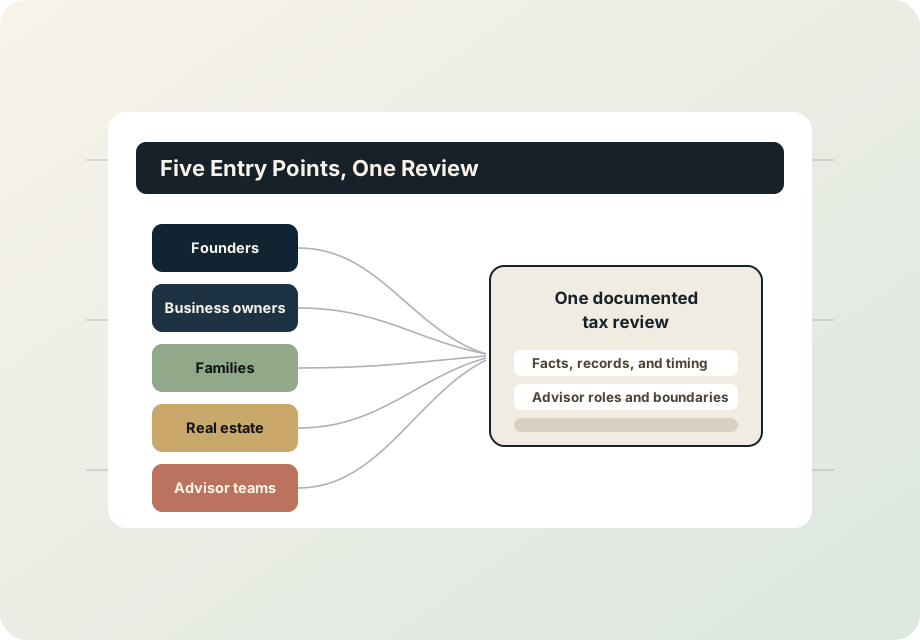
The process maps each property, connects tax treatment to records and return reporting, compares deferral and reinvestment paths, and coordinates qualified intermediaries, counsel, and specialist providers where required.
Records to organize
- Closing statements
- Depreciation schedules
- Improvement records
- Loan documents
- Leases
- Operating statements
- K-1s
- Appraisals
- Exchange documents
- Prior-year returns
Who this is for
Real estate investors, developers, operators, families holding property across entities, and the advisors coordinating their acquisitions and dispositions.
Licensed-professional boundaries
This page is educational and does not provide tax, legal, investment, insurance, financial planning, securities, or other professional advice. Client-specific work requires written scope and review by qualified professionals.
FAQs
No. Property type, holding period, taxable income, passive activity posture, and disposition plans all affect whether a study is useful.
No. Securities, investment advisory, and real estate brokerage recommendations remain with properly licensed or registered professionals.
Before the relinquished property is under contract. Exchange timing and identification rules are strict and unforgiving.