
Short answer
How should loss harvesting be reviewed?
Loss harvesting is most useful when it is coordinated with realized gains, portfolio transition goals, wash-sale controls, charitable giving, risk tolerance, state tax, and the client’s broader tax plan.
How this works in practice
The process starts with a tax-aware portfolio map, then identifies harvesting windows, offset opportunities, documentation needs, advisor responsibilities, and return-reporting considerations.
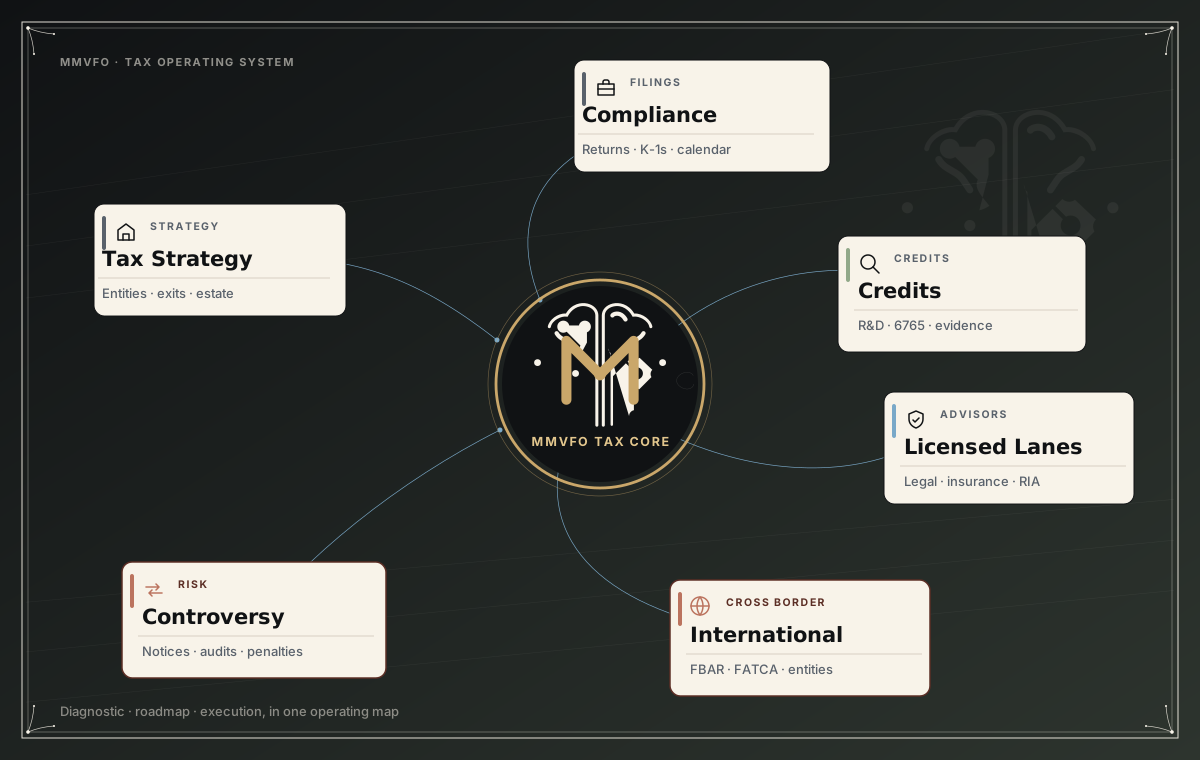
What MMVFO reviews
- Realized and unrealized gains
- Loss availability
- Portfolio transition goals
- Charitable intent
- Cash needs
- State tax context
- Wash-sale risk
- Handoff between tax and investment advisors
Records to organize
- Realized gain/loss reports
- Unrealized gain/loss reports
- Transaction history
- Charitable transfer records
- Restricted-stock or concentrated-position data
- Advisor notes
Who this is for
Investors, founders after liquidity events, families with concentrated positions, and advisor teams coordinating taxable portfolios with year-end tax planning.
Licensed-professional boundaries
This page is educational and does not provide tax, legal, investment, insurance, financial planning, securities, or other professional advice. Client-specific work requires written scope and review by qualified professionals.
FAQs
No. Investment management remains with the client’s investment adviser or other properly registered professional.
Tax review helps connect harvesting decisions to gains, wash-sale constraints, charitable plans, state exposure, and return reporting.
No. Year-end is common, but portfolio transitions, liquidity events, and concentrated positions can require review earlier.