
Short answer
What does tax-efficient investing coordinate?
Tax-efficient investing coordinates portfolio tax characteristics with the client’s return, estate plan, charitable goals, liquidity needs, state tax, and investment-adviser implementation.
How this works in practice
The process separates tax strategy from investment recommendations, identifies planning issues, and coordinates the tax file with the properly registered investment professionals responsible for portfolio decisions.
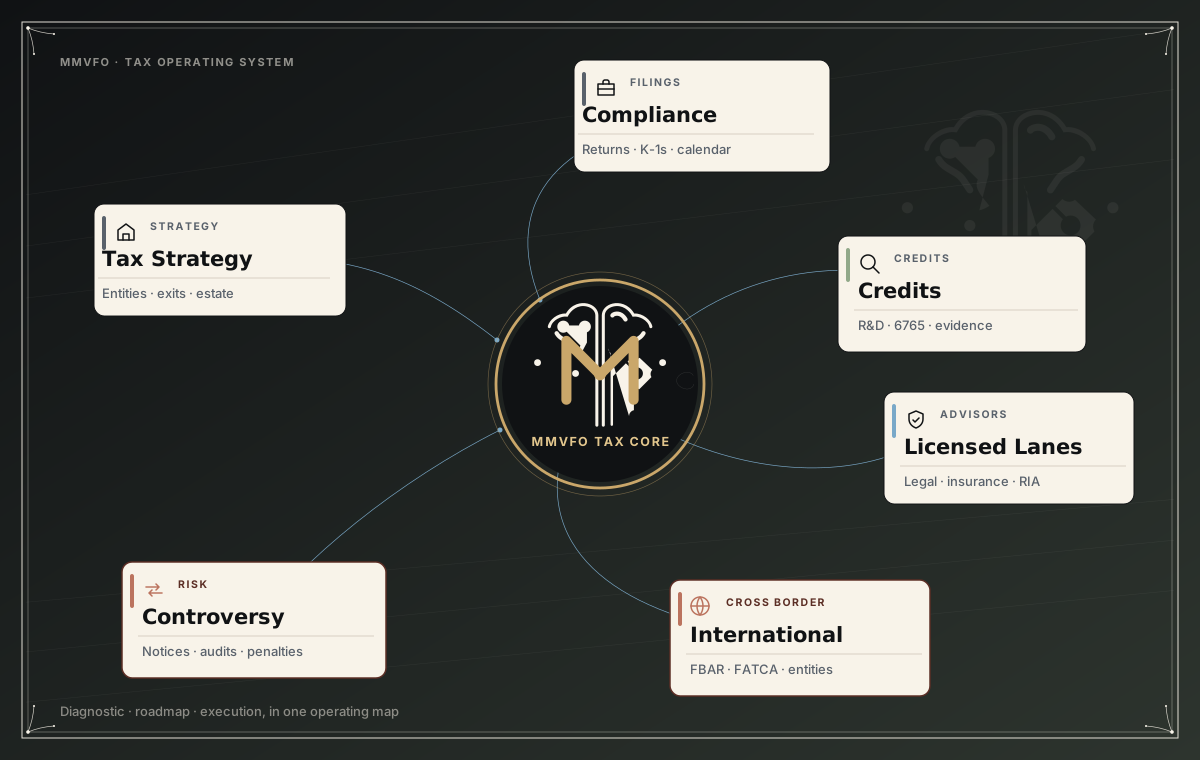
What MMVFO reviews
- Tax character
- Account location
- Realized gains
- Embedded gains
- Charitable opportunities
- Estimated taxes
- State exposure
- Trust context
- Reporting responsibilities
Records to organize
- Brokerage tax reports
- Realized and unrealized gain reports
- Trust statements
- Charitable giving history
- Capital-loss carryforwards
- Prior-year returns
Who this is for
High-net-worth families, founders, taxable investors, trustees, and advisor teams coordinating investment decisions with tax and estate planning.
Licensed-professional boundaries
This page is educational and does not provide tax, legal, investment, insurance, financial planning, securities, or other professional advice. Client-specific work requires written scope and review by qualified professionals.
FAQs
No. Investment advisory services remain with properly registered investment professionals under their own scope.
Because gains, losses, income character, charitable gifts, trusts, and estimated taxes can all be affected by portfolio decisions.
Taxable accounts are often the focus, but retirement accounts, trusts, entities, and estate goals can affect the overall map.