
Short answer
What should charitable giving planning include?
Charitable giving planning should review the donor’s goals, asset type, timing, deduction limitations, gain exposure, substantiation, entity or trust ownership, and legal implementation needs.
How this works in practice
The process maps the giving goal, identifies tax-sensitive assets and documentation, coordinates legal and valuation support where required, and connects the gift to return reporting.
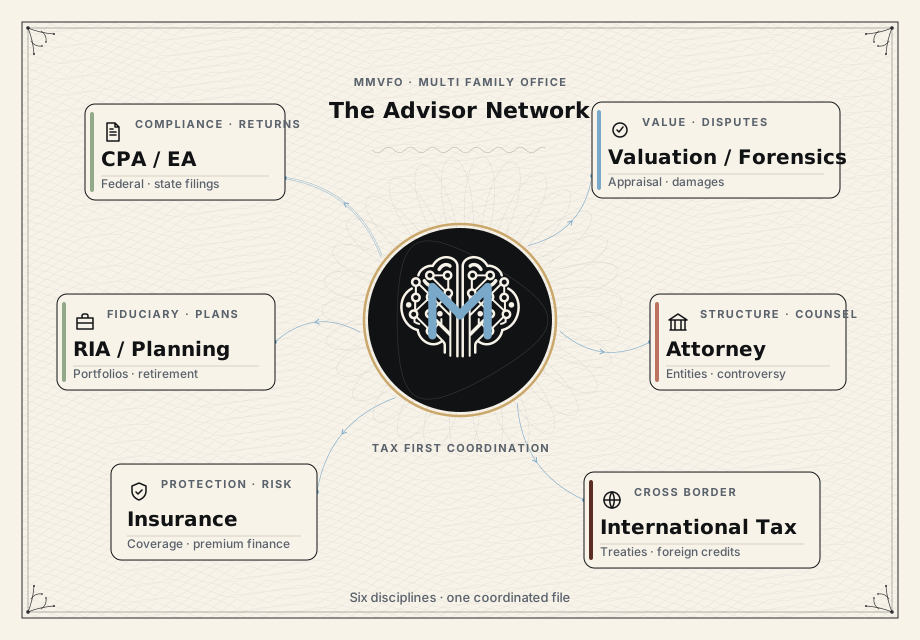
What MMVFO reviews
- Charitable intent
- Appreciated asset options
- Contribution timing
- AGI limitations
- Carryforward history
- Appraisal and substantiation needs
- Estate context
- Advisor responsibilities
Records to organize
- Basis support
- Brokerage reports
- Appraisal materials
- Gift acknowledgments
- Entity documents
- Trust documents
- Donor-advised fund records
- Prior-year carryforward schedules
Who this is for
Families, founders, business owners, investors, trustees, and advisor teams coordinating major gifts, appreciated assets, donor-advised funds, or foundation activity.
Licensed-professional boundaries
This page is educational and does not provide tax, legal, investment, insurance, financial planning, securities, or other professional advice. Client-specific work requires written scope and review by qualified professionals.
FAQs
Yes. Asset selection, gain exposure, deduction limitations, valuation, and documentation can change the outcome.
Legal formation and governing documents require qualified counsel. MMVFO coordinates the tax planning context.
Charitable deductions can depend on acknowledgments, appraisals, timing, and return attachments.