
Short answer
Why review equity compensation early?
Equity compensation should be reviewed before exercise, vesting, secondary sales, relocation, charitable gifts, or company exits because timing and documentation can change the tax result.
How this works in practice
The process maps the equity timeline, identifies tax-sensitive decisions, coordinates preparer and legal review, and connects the plan to cash flow, estimated taxes, and documentation.
What MMVFO reviews
- Grant documents
- Vesting schedules
- Exercise history
- 83(b) elections
- AMT exposure
- Withholding
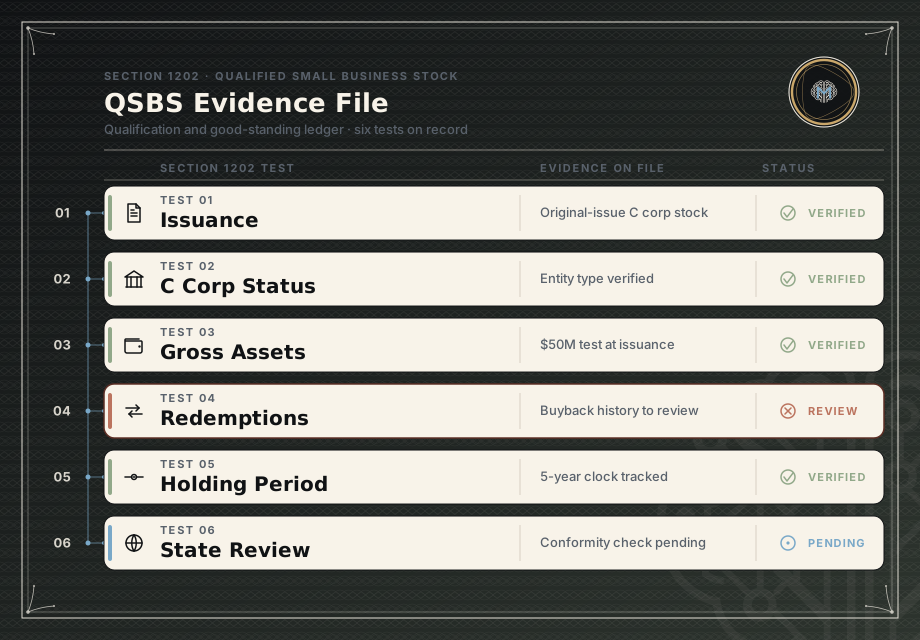
- QSBS signals
- State residency
- Charitable planning
- Return reporting
Records to organize
- Grant agreements
- Exercise notices
- 83(b) elections
- Cap table history
- FMV/409A information
- Payroll records
- Brokerage reports
- Prior-year returns
Who this is for
Founders, executives, startup employees, investors, and advisor teams coordinating options, restricted stock, RSUs, secondary sales, or liquidity events.
Licensed-professional boundaries
This page is educational and does not provide tax, legal, investment, insurance, financial planning, securities, or other professional advice. Client-specific work requires written scope and review by qualified professionals.
FAQs
Yes. Different equity types require different timing, withholding, AMT, and reporting review.
Founder or investor stock may need Section 1202 documentation and corporate-history review before a liquidity event.
Counsel may be needed for plan documents, securities issues, company approvals, and transaction mechanics.