
Short answer
What is tax position monitoring?
Tax position monitoring tracks material tax positions, filing obligations, documentation, deadlines, advisor ownership, and change events so planning does not disappear after implementation.
How this works in practice
The process creates a monitoring register, assigns ownership, sets review cadence, tracks open items, and coordinates with preparers, attorneys, investment advisers, and other professionals.
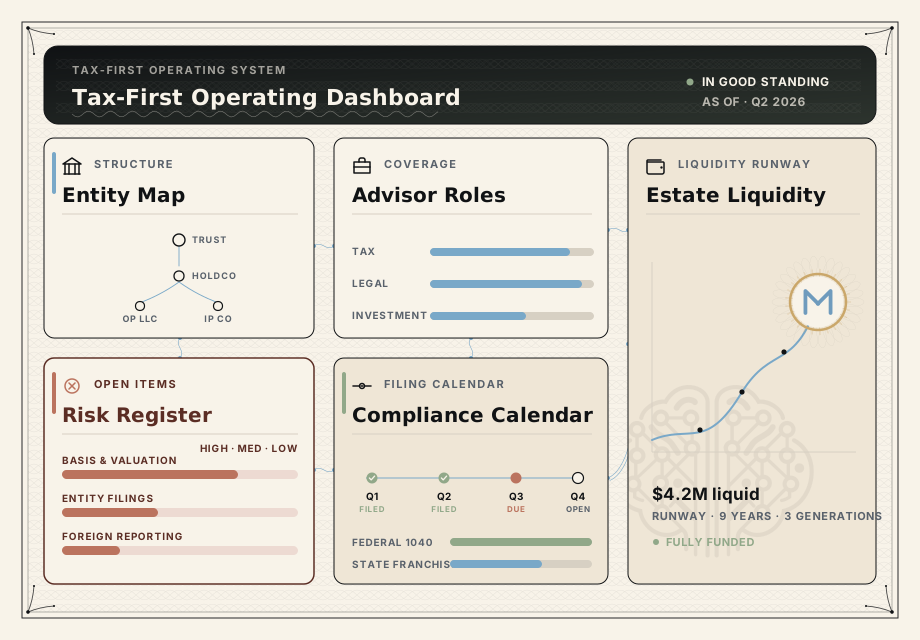
What MMVFO reviews
- Active positions
- Pending filings
- Estimates
- Documentation gaps
- Advisor responsibilities
- Law-change signals
- Transaction events
- Follow-up deadlines
Records to organize
- Prior returns
- Planning memos
- Tax opinions supplied by counsel
- Workpapers
- Entity maps
- Trust records
- Estimates
- Notices
- Advisor meeting notes
Who this is for
Families, founders, business owners, trustees, family offices, and advisor teams managing recurring tax positions across entities, investments, trusts, and jurisdictions.
Licensed-professional boundaries
This page is educational and does not provide tax, legal, investment, insurance, financial planning, securities, or other professional advice. Client-specific work requires written scope and review by qualified professionals.
FAQs
No. Monitoring identifies issues and cadence; client-specific advice still requires professional review under written scope.
The cadence depends on complexity, but quarterly, semiannual, annual, and event-driven reviews are common.
Complex wealth needs continuity across advisors, documents, filings, and decisions rather than one-time planning.