
Short answer
What does family tax coordination actually involve?
It involves keeping the entity map, trust documents, filing calendar, charitable plan, and advisor responsibilities aligned so that planning does not quietly expire after it is implemented.
What gets looked at first
- Entity and ownership map
- Trust and estate documents
- Fiduciary income tax posture
- Gift and estate filings
- Charitable vehicles
- State exposure
- Filing calendars
- Where advisor roles overlap or leave gaps
What a first engagement looks like
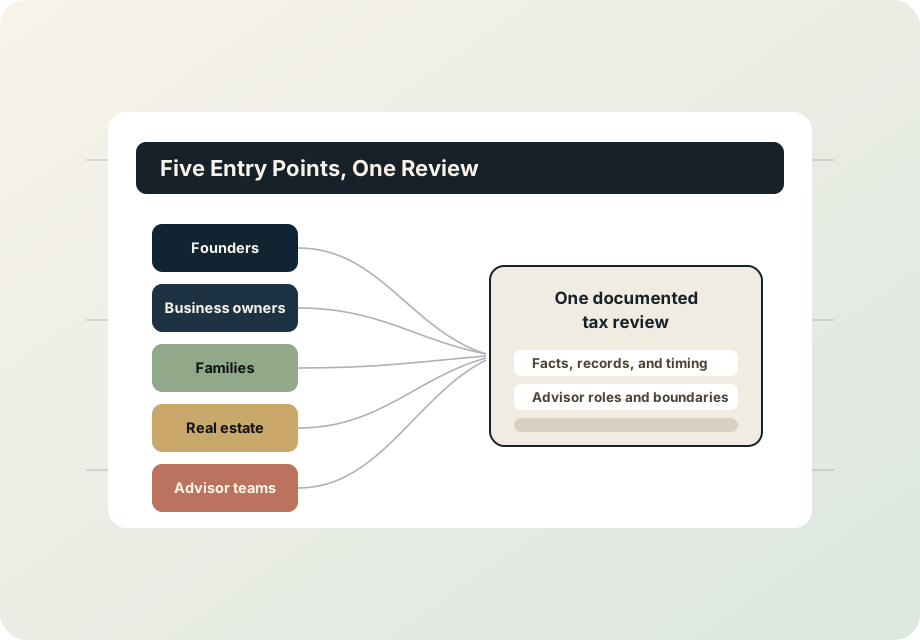
The process documents the structure as it exists, identifies positions and deadlines nobody currently owns, sets a review cadence, and coordinates counsel, trustees, and preparers under clear written scope.
Records to organize
- Trust agreements
- Entity documents
- Prior Forms 706
- 709
- 1041
- Gift and valuation records
- Charitable transfer support
- K-1s
- Advisor memoranda
Who this is for
High-net-worth families, family offices, trustees, beneficiaries, and the tax, legal, and investment professionals who serve them.
Licensed-professional boundaries
This page is educational and does not provide tax, legal, investment, insurance, financial planning, securities, or other professional advice. Client-specific work requires written scope and review by qualified professionals.
FAQs
No. Investment management and advisory services remain with properly registered investment professionals under their own scope.
No. The coordination model applies whether or not a formal family office exists.
Qualified counsel. MMVFO coordinates the tax review context around those documents.