
Virtual Family Office
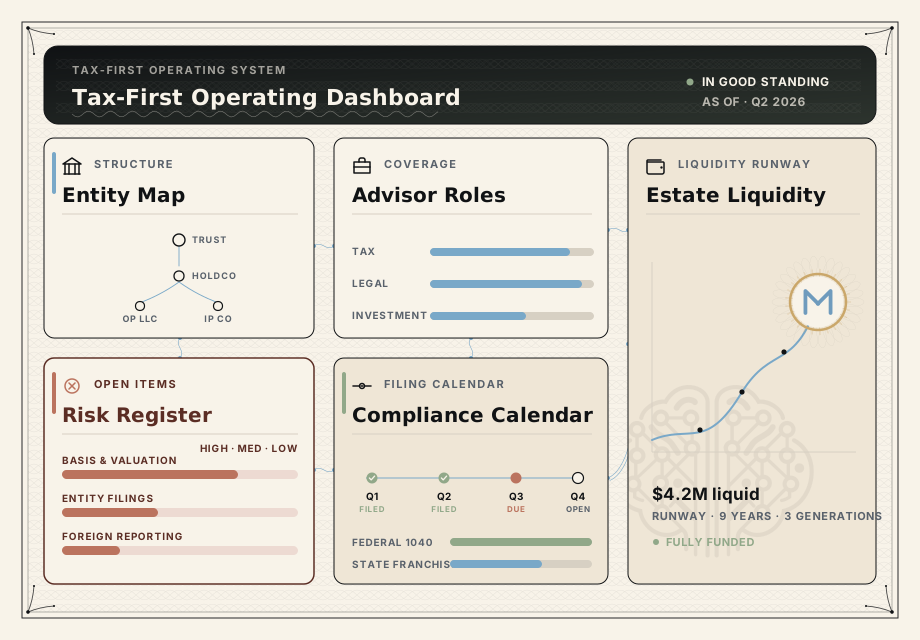
Family office dashboard
Complex wealth needs an operating cadence across entities, advisors, filing calendars, estate liquidity, and risk review.
Tax operating model
MMVFO helps define which decisions need proactive tax review, which records must be collected during the year, and which advisors should be involved before a transaction, distribution, contribution, gift, or liquidity event moves forward.
Planning calendar
The strategy rhythm can include quarterly estimates, K-1 tracking, trust actions, charitable planning, estate liquidity reviews, international reporting checks, state tax analysis, and year-end decision windows. Planning levers reviewed on that rhythm may include R&D credits, cost segregation, QSBS evidence, charitable structures, gift and estate transfers, state tax positioning, entity structuring and classification elections, Section 1031 and qualified opportunity zone deferral, and retirement plan and deferred compensation design.
Entity and trust integration
Entity classification, ownership, basis, agreements, trust roles, and beneficiary considerations are reviewed as part of the same planning context instead of separate compliance chores.
Investment and liquidity context
Investment advisory, securities, and financial planning decisions remain with properly registered or licensed professionals, while MMVFO coordinates the tax questions those decisions can create.
Controversy readiness
Planning positions are easier to defend when documentation, return treatment, advisor memos, and decision history are maintained before a notice or audit request arrives.
Family governance
A clear cadence helps trustees, family members, executives, and advisors understand what is being decided, who owns the decision, and which matters require specialist review.
Scope and professional boundaries
MMVFO coordinates tax-led diagnostics, planning context, documentation, advisor alignment, and implementation routing. Insurance implementation, investment advisory services, financial planning, securities-related services, legal services, and other regulated services are provided only by properly licensed or registered affiliates, unaffiliated professionals, or a client's existing advisors under written scope and applicable disclosures. This page is educational and does not create tax, legal, investment, insurance, accounting, fiduciary, or other professional advice.