
For Advisors
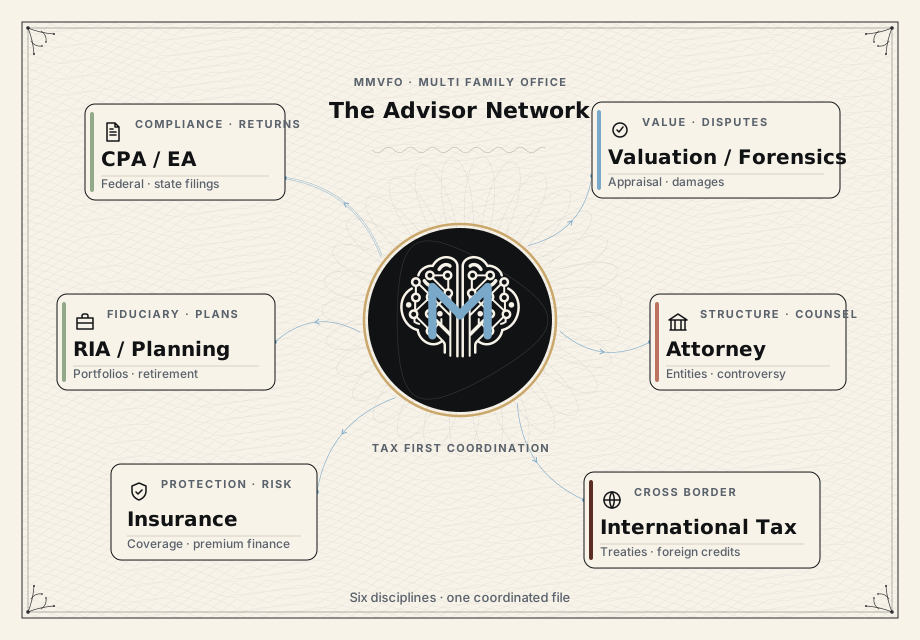
Advisor coordination network
Advisor support is structured around written scope, client authorization, professional boundaries, and clear deliverables.
Fit and matter type
Intake starts by classifying the issue: R&D support, international reporting, tax controversy, family office coordination, entity mapping, estate liquidity, business-owner risk, or tax strategy second opinion.
Client authorization
Advisors should share only information they are authorized to share, through appropriate channels, and with written consent where professional rules, privacy rules, or engagement terms require it.
Advisor continuity
The intake model is designed to preserve the referring advisor's relationship while clarifying what MMVFO will review, who communicates with the client, and which professionals own regulated advice.
Scope and compensation
Referral, co-advisory, advisor-led, affiliate, and compensation arrangements require written terms, client authorization where required, disclosure review, and professional responsibility review before work begins.
Leadership standards
Joshua Azran and Lorenzo Abbatiello may help maintain partner standards and escalation protocols, but advisor intake is built as a repeatable firm process.
Next-step routing
After intake, the matter may move to a diagnostic, records request, technical review, client meeting, referral to a licensed professional, or a declined-scope response.
Scope and professional boundaries
MMVFO coordinates tax-led diagnostics, planning context, documentation, advisor alignment, and implementation routing. Insurance implementation, investment advisory services, financial planning, securities-related services, legal services, and other regulated services are provided only by properly licensed or registered affiliates, unaffiliated professionals, or a client's existing advisors under written scope and applicable disclosures. This page is educational and does not create tax, legal, investment, insurance, accounting, fiduciary, or other professional advice. Advisor matters also require client authorization where required, confidentiality review, professional responsibility review, and referral or compensation disclosures where applicable.