
Short answer
What this page answers
B2B specialty tax advisory support should give advisor teams deeper tax capacity while preserving client ownership, confidentiality, written scope, compensation disclosure, and regulated-service boundaries.
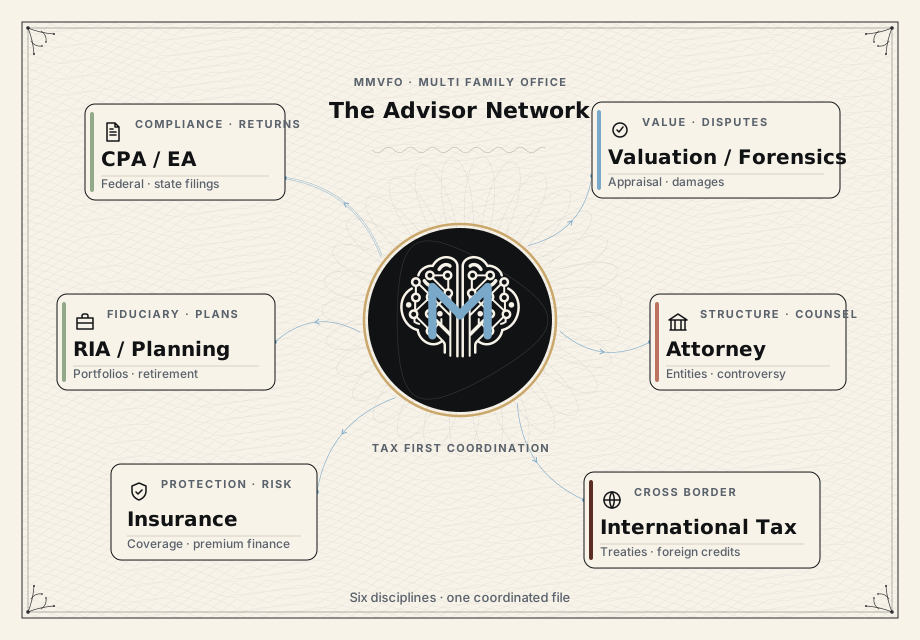
For Advisors
Advisor coordination network
Advisor support is structured around written scope, client authorization, professional boundaries, and clear deliverables.
Who this serves
CPA firms, RIAs, attorneys, insurance professionals, family offices, business managers, and advisory platforms supporting complex clients.
Common risks
Advisor support can become risky when client authorization, confidentiality, compensation disclosure, professional rules, deliverable ownership, or regulated-service lanes are unclear.
MMVFO process
MMVFO classifies the matter, identifies urgency, confirms advisor and client roles, scopes the deliverable, routes specialist work, and preserves the referring advisor's relationship where permitted.
Service lanes
Common matters include R&D credit files, international forms, IRS notices, strategy second opinions, compliance calendars, K-1 coordination, and VFO operating maps.
Governance
Referral, co-advisory, co-branded, or advisor-led workflows require written scope, disclosure review, and professional-rule analysis.
Scope and professional boundaries
This page is educational and does not provide tax, legal, accounting, investment, insurance, financial planning, securities, or other professional advice. Client-specific work requires written scope and review by qualified professionals. Advisor matters require client authorization where required, confidentiality review, professional-responsibility review, and referral or compensation disclosures where applicable.
MMVFO coordinates strategy, diagnostics, documentation, and advisory execution. Legal, investment advisory, financial planning, securities-related, insurance, and other regulated services are provided only by properly licensed or registered professionals under appropriate written terms.