
Resources
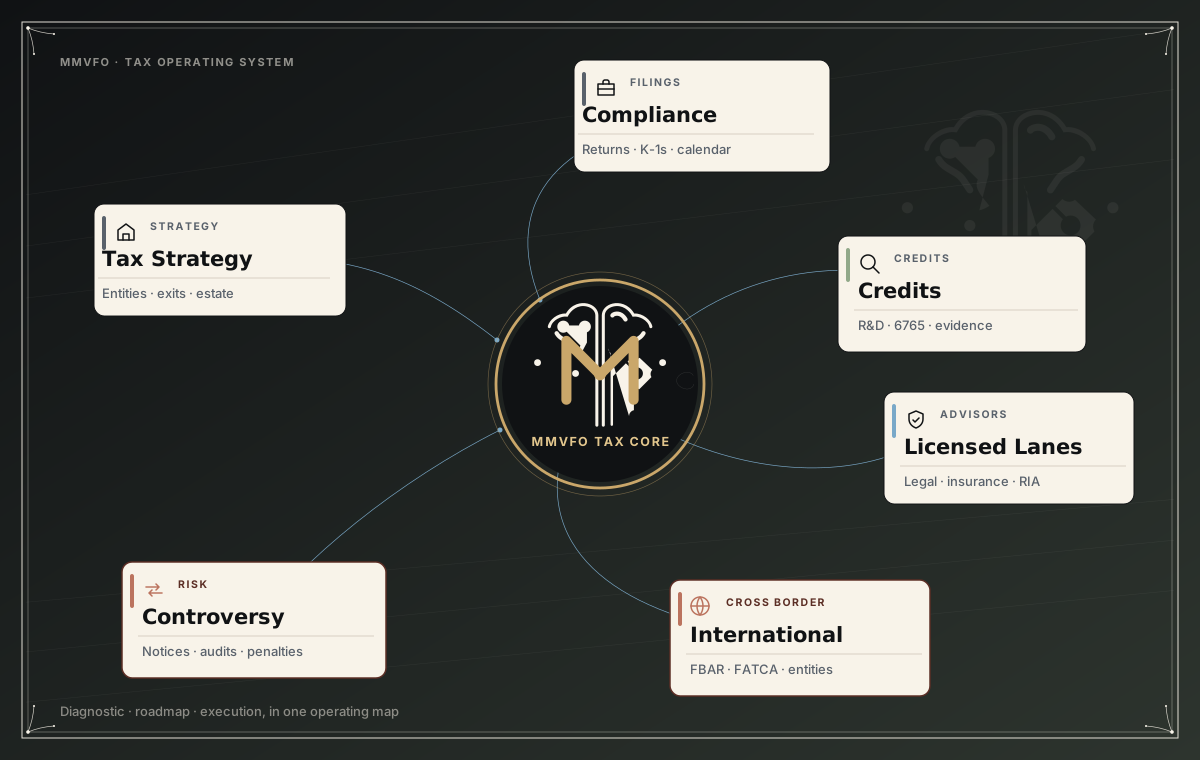
Tax operating map
MMVFO turns disconnected tax, filing, controversy, international, risk, and advisor inputs into one operating view.
Current structure inventory
Map each entity's legal form, tax classification, ownership, formation date, prior elections, accounting method, tax year, and state registrations, along with operating agreements and buy-sell terms that may constrain changes.
Election review
Identify whether an S corporation election on Form 2553 or an entity classification election on Form 8832 may be relevant, confirm eligibility, shareholder, and timing requirements, and check whether late-election relief procedures such as Rev. Proc. 2013-30 may apply before anything is filed.
Compensation and distribution posture
S corporation owners should review reasonable compensation support, payroll filings, distributions, basis records, and accountable-plan documentation, because the same facts often drive both examination questions and planning decisions.
State and exit coordination
Review state pass-through entity tax elections, composite filings, nexus questions, and how the structure interacts with QSBS eligibility, pre-exit planning, and future admission of owners or investors.
Scope and professional boundaries
Entity classification, elections, and restructuring are fact-specific tax and legal matters. This checklist is educational and requires qualified tax and legal review before any election or structural change.
MMVFO coordinates strategy, diagnostics, documentation, and advisory execution. Legal, investment advisory, financial planning, securities-related, insurance, and other regulated services are provided only by properly licensed or registered professionals under appropriate written terms.