
Tax Strategy
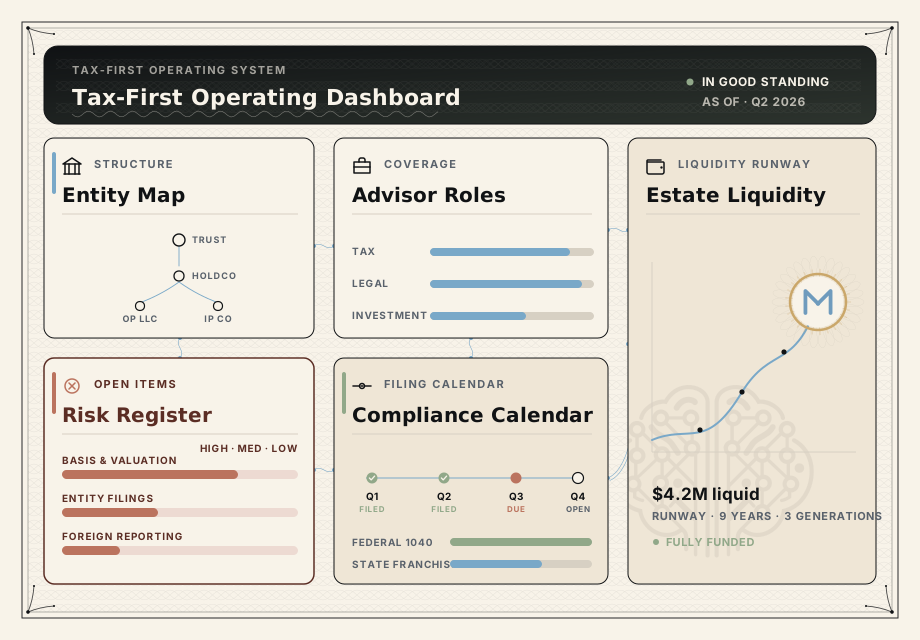
Family office dashboard
Complex wealth needs an operating cadence across entities, advisors, filing calendars, estate liquidity, and risk review.
Who this serves
Real estate investors, developers, operators, syndicators, family offices, private fund investors, and families holding rental, commercial, or private real estate interests.
Common risks
Tax results can be distorted when acquisition structure, financing, depreciation studies, passive activity position, state filings, estate planning, and exit timing are reviewed separately.
MMVFO process
MMVFO maps the portfolio, entity ownership, debt, holding periods, depreciation posture, K-1s, state footprint, and advisor roles before prioritizing planning opportunities.
This page is educational and not tax, legal, accounting, investment, insurance, or other professional advice. Client-specific work requires written scope and review by qualified professionals. Real estate transactions, legal structures, and securities matters require appropriate licensed professionals.
Depreciation strategy
Cost segregation, bonus depreciation, repairs, capitalization, partial dispositions, and placed-in-service records should be reviewed against the broader owner tax profile.
Transaction planning
Sales, refinancing, 1031 exchanges, installment sales, opportunity zone topics, estate transfers, and liquidity planning require coordinated tax and legal review.