
Resources
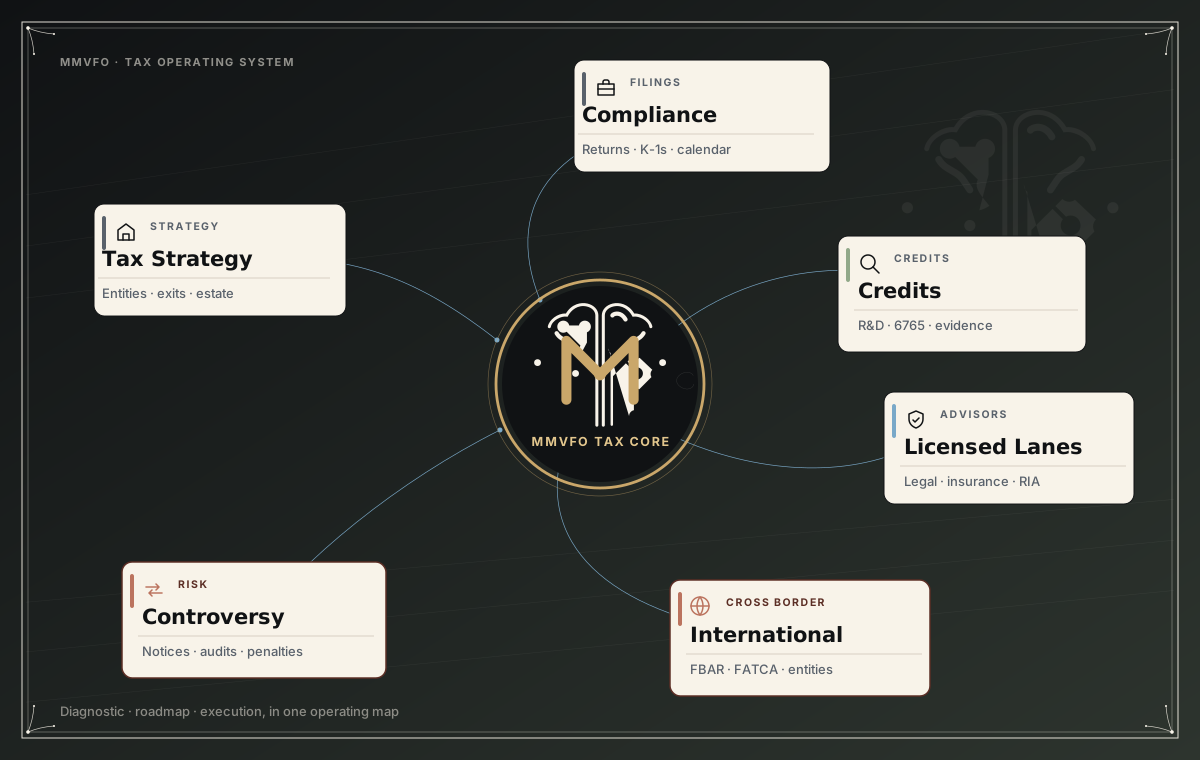
Tax operating map
MMVFO turns disconnected tax, filing, controversy, international, risk, and advisor inputs into one operating view.
Gain and asset profile
Identify the asset type, expected gain, closing timeline, debt, ownership structure, and state exposure. Section 1031 is generally limited to real property held for investment or business use, while opportunity zone deferral can apply to eligible gains from a broader range of assets.
Section 1031 timeline
A deferred exchange generally requires a qualified intermediary in place before closing, identification of replacement property within 45 days, and acquisition within 180 days, with Form 8824 reporting and boot, basis, and related-party questions reviewed in advance.
Opportunity zone window
Qualified opportunity fund investment generally must occur within 180 days of gain recognition, and K-1 gains carry their own timing rules. Fund diligence, Form 8997 reporting, holding-period milestones, and current-law basis rules should be confirmed before committing.
Return integration
Coordinate the deferral position with depreciation recapture, state conformity, estimated payments, installment questions, and the rest of the real estate plan, including whether cost segregation or disposition timing changes the analysis.
Scope and professional boundaries
Like-kind exchanges and opportunity zone investments are deadline-sensitive and fact-specific, and fund investments may involve securities that require review by properly licensed professionals. This screen is educational and does not provide tax, legal, or investment advice.
MMVFO coordinates strategy, diagnostics, documentation, and advisory execution. Legal, investment advisory, financial planning, securities-related, insurance, and other regulated services are provided only by properly licensed or registered professionals under appropriate written terms.