
Short answer
How should business investment decisions be reviewed?
Business investment tax planning should coordinate the business purpose, entity owner, asset type, financing, depreciation or expensing, credits, state rules, documentation, and future disposition.
How this works in practice
The process builds an investment tax map, compares tax treatments, identifies documentation requirements, and coordinates with preparers and other advisors before filing.
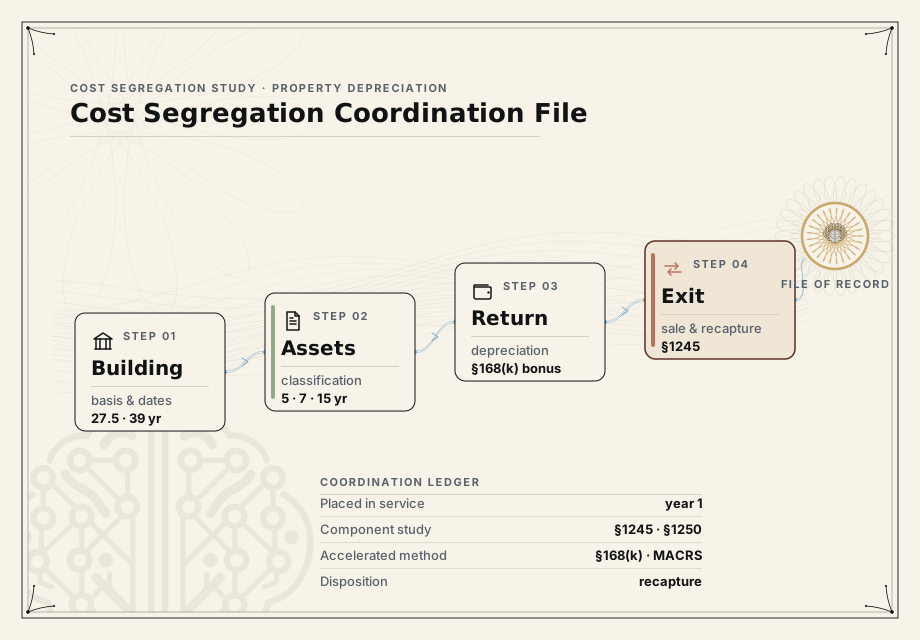
What MMVFO reviews
- Investment facts
- Entity structure
- Financing
- Timing
- Depreciation and expensing options
- Credit eligibility signals
- State treatment
- Return integration
Records to organize
- Invoices
- Financing documents
- Board or owner approvals
- Asset ledgers
- Business-use records
- Contracts
- Project files
- State activity data
Who this is for
Business owners, founders, family businesses, real estate operators, professional practices, and advisor teams evaluating major purchases or reinvestment decisions.
Licensed-professional boundaries
This page is educational and does not provide tax, legal, investment, insurance, financial planning, securities, or other professional advice. Client-specific work requires written scope and review by qualified professionals.
FAQs
No. Credits, financing, state tax, entity structure, cash flow, documentation, and future sale treatment can all matter.
Yes, especially when timing, ownership, financing, or placed-in-service dates affect the tax result.
Yes. The work is designed to connect strategy, records, and return preparation.