
Short answer
How should capital gains deferral options be compared?
Capital gains deferral options should be compared by asset type, timing, basis, cash needs, buyer terms, reinvestment intent, legal risk, promoter claims, reporting burden, state tax, and advisor responsibilities.
How the options compare
| Option | Review standard | What to review first |
|---|---|---|
| Installment sale | Established statutory or administrative framework | Sale documents, payment timing, and Form 6252 reporting |
| Section 1031 exchange | Established statutory or administrative framework | Exchange timing, replacement-property identification, and qualified intermediary coordination |
| Delaware statutory trust | Established statutory or administrative framework | Offering documents, debt replacement, and securities boundaries |
| Charitable planning | Established statutory or administrative framework | Asset selection, deduction limitations, and substantiation |
| Structured installment sale | Established statutory or administrative framework | Assignment mechanics, who owes payments, and default terms |
| Monetized installment sale | Heightened legal, tax, promoter, and disclosure review | Listed-transaction signals, disclosure posture, and material-advisor issues |
| Deferred sales trust | Heightened legal, tax, promoter, and disclosure review | Trust documents, promoter materials, and control of cash flows |
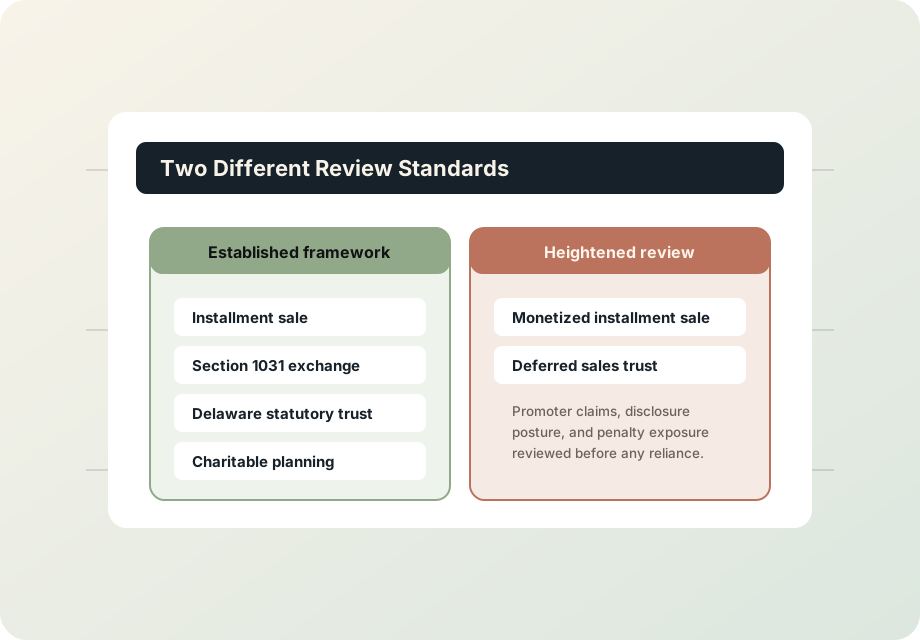
What MMVFO reviews before a path is chosen
- Gain profile
- Asset type
- Sale timeline
- Liquidity needs
- Legal constraints
- 1031 eligibility
- Installment-sale fit
- Charitable goals
- Delaware statutory trust considerations
- Monetized installment sale warnings
- Deferred sales trust claims
- Return-reporting consequences
Records to organize
- Basis schedules
- Depreciation history
- Sale agreements
- Real estate closing statements
- Entity documents
- Trust documents
- Charitable giving records
- Debt schedules
- Prior returns
- Advisor memos
Who this is for
Owners selling businesses, real estate, concentrated investments, private company stock, or other appreciated assets who want to compare deferral, mitigation, charitable, and reinvestment paths before a transaction closes.
Licensed-professional boundaries
This page is educational and does not provide tax, legal, investment, insurance, financial planning, securities, or other professional advice. Client-specific work requires written scope and review by qualified professionals.
FAQs
No. Some options have established statutory or administrative frameworks, while others require heightened legal, tax, promoter, and disclosure review.
No. Securities, investment advisory, and product recommendations remain with properly licensed or registered professionals.
A comparison page lets the client and advisors see tradeoffs before a narrow structure is selected too early.