
Short answer
What makes Section 179 planning practical?
Section 179 planning is practical when the asset, business use, timing, taxable income, state rules, financing, depreciation alternatives, and future sale consequences are reviewed together.
How this works in practice
The process maps the investment decision, compares expensing and depreciation outcomes, coordinates preparer input, and documents the return position before filing.
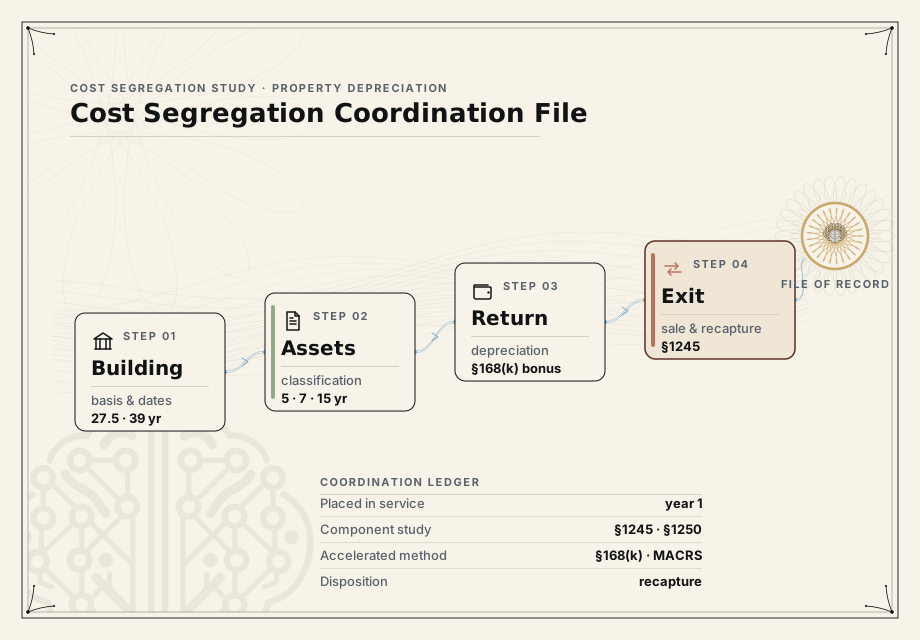
What MMVFO reviews
- Asset categories
- Placed-in-service dates
- Business-use support
- Depreciation alternatives
- Taxable income
- Entity-level limits
- State conformity
- Financing
- Documentation
Records to organize
- Invoices
- Financing documents
- Placed-in-service support
- Asset ledgers
- Business-use logs where relevant
- Entity income data
- Preparer workpapers
Who this is for
Business owners, founders, real estate operators, professional practices, and advisors evaluating equipment, vehicles, technology, improvements, or other business investment decisions.
Licensed-professional boundaries
This page is educational and does not provide tax, legal, investment, insurance, financial planning, securities, or other professional advice. Client-specific work requires written scope and review by qualified professionals.
FAQs
No. The right treatment depends on facts, taxable income, state treatment, future years, and disposition planning.
Vehicle planning can require special review of business use, documentation, limits, and listed-property rules.
Before year-end purchases, financing decisions, major equipment upgrades, or return filing.