
Short answer
What should be reviewed in a structured installment sale?
Structured installment sale review should examine the sale contract, payment rights, assignment mechanics, buyer and obligor roles, interest, security, cash-flow timing, tax reporting, state treatment, and legal documentation.
- Not the same as
- A monetized installment sale, which raises separate listed-transaction and disclosure concerns
- What drives the tax result
- The actual rights, obligations, assignments, payment terms, and security arrangements
How this works in practice
The process coordinates the tax preparer, transaction attorney, and any financial or insurance professionals involved, while keeping product placement and legal implementation outside MMVFO’s public website scope.
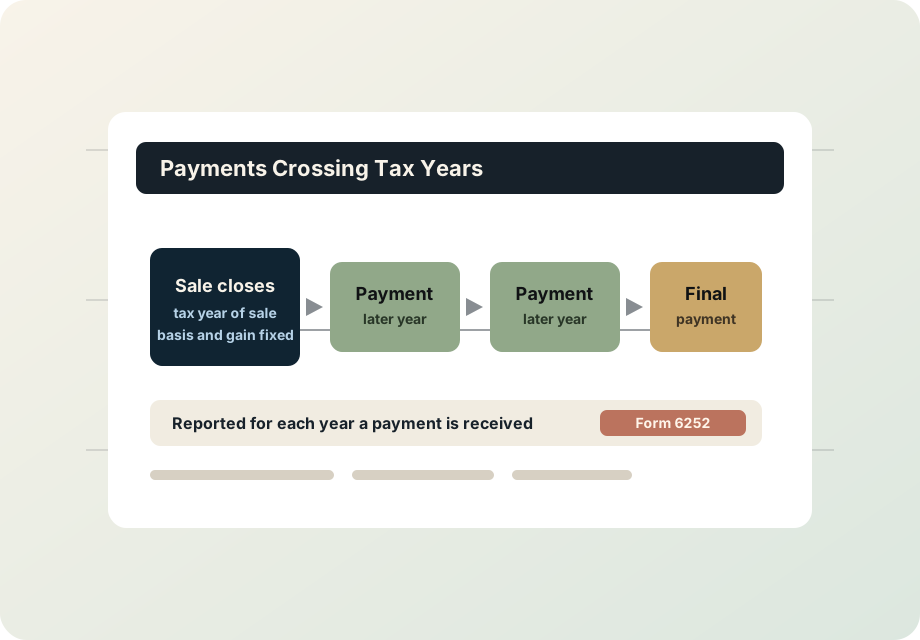
What MMVFO reviews
- Whether the core installment sale rules appear relevant
- How payment obligations are documented
- Who owes payments
- How interest is treated
- What happens on default
- How the reporting file will support the transaction
Records to organize
- Sale agreements
- Assignment documents
- Payment schedules
- Obligor documents
- Settlement statements
- Basis and depreciation records
- Form 6252 support
- Legal review notes
Who this is for
Sellers, real estate owners, business owners, attorneys, CPAs, and advisor teams considering staged payments or structured payment rights after a sale.
Licensed-professional boundaries
This page is educational and does not provide tax, legal, investment, insurance, financial planning, securities, or other professional advice. Client-specific work requires written scope and review by qualified professionals.
FAQs
No. Monetized installment sale arrangements raise separate listed-transaction and disclosure concerns that require heightened review.
No. Product placement, insurance, securities, and investment advisory activity remain with properly licensed professionals.
The tax result depends heavily on the actual rights, obligations, assignments, payment terms, and security arrangements.