
Short answer
How should deferred sales trust claims be reviewed?
Deferred sales trust claims should be reviewed by comparing the actual documents and cash flows to installment sale principles, trust law, assignment issues, promoter materials, disclosure risks, and the taxpayer’s return-reporting file.
- Public framing
- Installment sale tax review, not product promotion
- Why it sits here
- Many deferred sales trust discussions are presented using installment-sale concepts
- Who reads the documents
- Qualified counsel reviews trust documents, assignments, and rights
Signals reviewed before any reliance
The process is framed as tax review and advisor coordination, not product promotion. MMVFO identifies unanswered questions, organizes documents, compares the proposal to established installment-sale reporting concepts, and coordinates qualified legal and tax review.
- Transaction timeline
- Trust documents
- Buyer and seller obligations
- Note terms
- Control and cash-flow facts
- Promoter materials
- Tax opinion status
- Advisor roles
- Return-reporting support
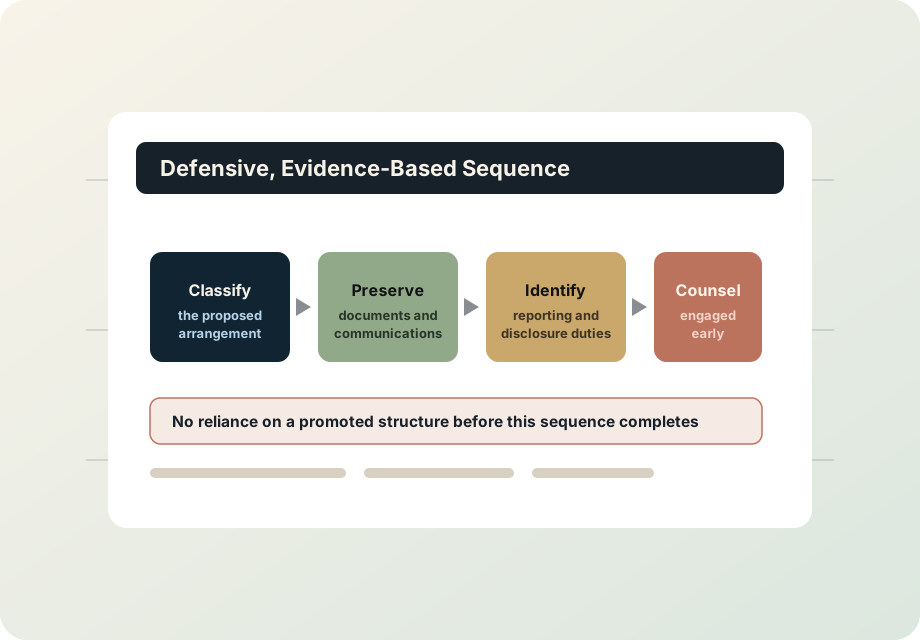
Documents to preserve
- Trust agreements
- Sale agreements
- Installment notes
- Assignment documents
- Payment schedules
- Promoter diagrams
- Communications
- Tax opinions
- Closing statements
- Basis records
- Prior returns
Who this is for
Sellers, business owners, real estate owners, trustees, CPAs, attorneys, family offices, and advisor teams asked to evaluate a deferred sales trust proposal before or after a sale.
Licensed-professional boundaries
This page is educational and does not provide tax, legal, investment, insurance, financial planning, securities, or other professional advice. Client-specific work requires written scope and review by qualified professionals.
FAQs
No. This is a review page for taxpayers and advisors who need to evaluate claims, documents, risks, and reporting support.
Many deferred sales trust discussions are presented using installment-sale concepts, so the safer public frame is installment sale tax review.
Qualified counsel should review trust documents, assignments, sale terms, rights, obligations, and any privilege-sensitive issues.