
Short answer
What belongs in a real estate tax review?
A real estate tax review should coordinate ownership, basis, financing, placed-in-service dates, depreciation, passive activity posture, state tax, estate goals, and future sale planning.
How this works in practice
The process maps each property, connects tax treatment to records and return reporting, and coordinates specialists such as cost-segregation providers, attorneys, and preparers where needed.
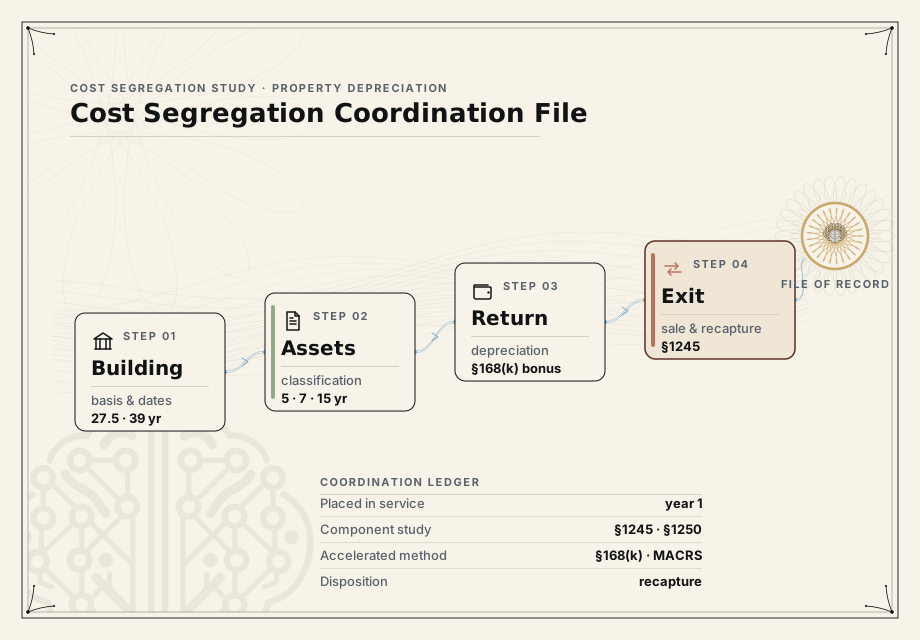
What MMVFO reviews
- Entity ownership
- Basis
- Financing
- Depreciation
- Cost segregation fit
- Passive activity posture
- State treatment
- K-1 reporting
- Estate objectives
- Disposition planning
Records to organize
- Closing statements
- Depreciation schedules
- Improvement records
- Loan documents
- Leases
- K-1s
- Operating statements
- Appraisals
- Prior-year returns
Who this is for
Real estate investors, families, business owners, family offices, and advisor teams managing rental, commercial, development, or mixed-use property decisions.
Licensed-professional boundaries
This page is educational and does not provide tax, legal, investment, insurance, financial planning, securities, or other professional advice. Client-specific work requires written scope and review by qualified professionals.
FAQs
No. Cost segregation is one tool; broader real estate tax planning also reviews ownership, financing, passive activity rules, state tax, and exits.
Before acquisition, major improvements, refinancing, estate transfers, or sale planning whenever possible.
MMVFO coordinates fit and tax context; specialist studies are handled by qualified providers where appropriate.