
Tax Controversy
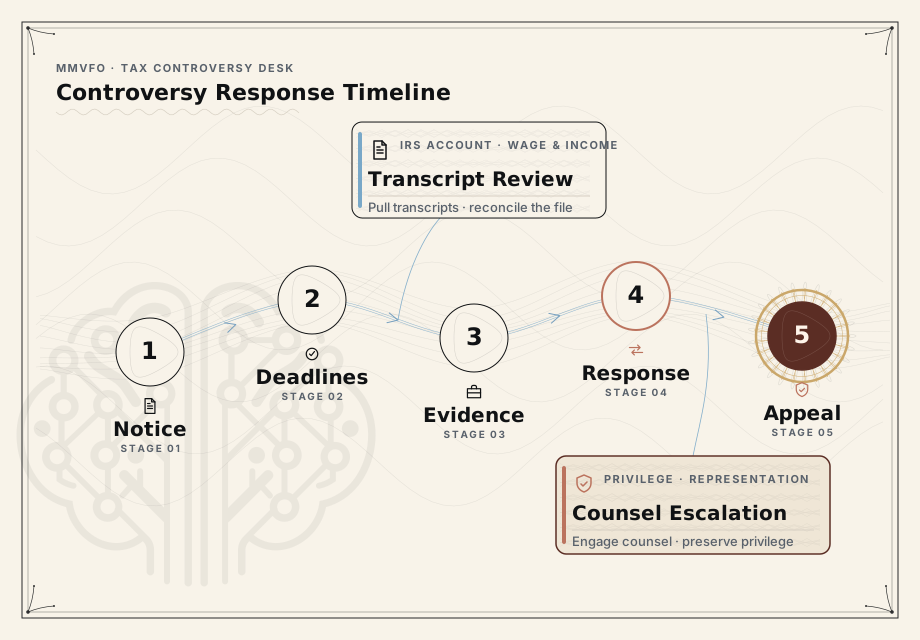
Notice response timeline
Tax controversy work starts with deadlines, transcripts, evidence, response posture, and the right representation lane.
Balance and account history
Review assessed balances, years, notices, penalties, interest, payments, missing returns, and active collection status.
Current compliance
Evaluate whether current year withholding, estimates, deposits, and filings are on track because new liabilities can derail a payment arrangement.
Payment capacity review
Coordinate income, expenses, assets, liabilities, business cash flow, household facts, and documentation for authorized representative review.
This page is educational and is not tax, legal, accounting, investment, insurance, or other professional advice. Client-specific work requires written scope and review by qualified professionals. Legal representation, privilege, litigation strategy, and regulated services are provided only by properly licensed or registered counsel, affiliates, or other professionals where included in scope. IRS, state, collection, appeals, penalty, and litigation-sensitive matters require deadline control, authorization review, and appropriate representative or counsel involvement. Use public forms only for non-sensitive triage. Do not submit tax returns, notices, account statements, identification documents, privileged communications, or other sensitive records through public forms; secure portal review begins only after qualification and written scope.
Collection alternative comparison
Consider offer in compromise, penalty abatement, currently not collectible, lien or levy relief, and state options where appropriate.
Monitoring and default prevention
Track payments, future filings, agency correspondence, and compliance milestones after an agreement is established.