
Tax Controversy
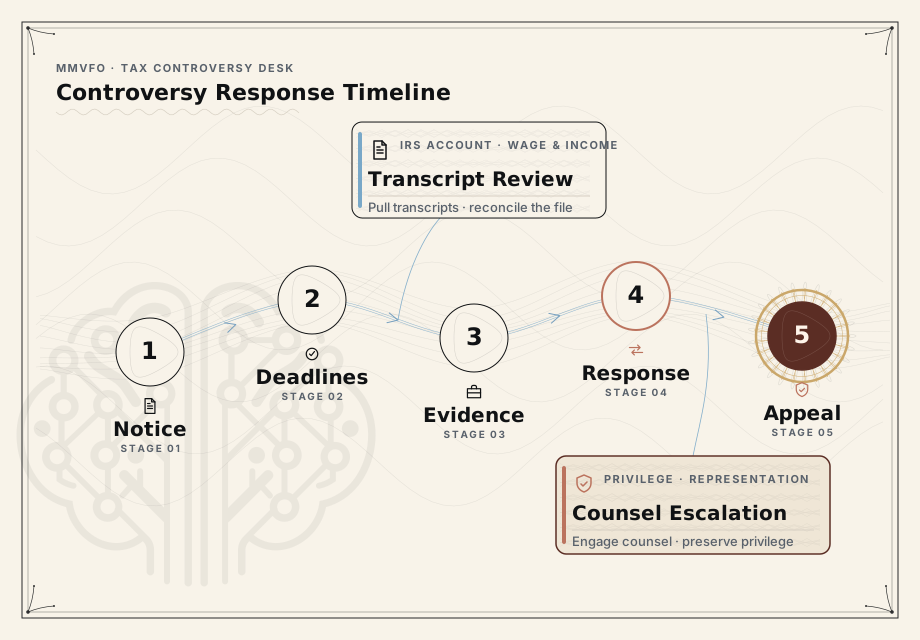
Notice response timeline
Tax controversy work starts with deadlines, transcripts, evidence, response posture, and the right representation lane.
Appeals readiness
Identify the proposed adjustment, notice, protest deadline, issue history, examiner position, taxpayer position, and evidence already in the file.
Administrative record
Organize returns, IDR responses, workpapers, calculations, legal citations supplied by counsel, correspondence, and exhibits.
Hazards and settlement support
Coordinate factual analysis and tax calculations that help the representative or counsel evaluate procedural options and settlement ranges.
This page is educational and is not tax, legal, accounting, investment, insurance, or other professional advice. Client-specific work requires written scope and review by qualified professionals. Legal representation, privilege, litigation strategy, and regulated services are provided only by properly licensed or registered counsel, affiliates, or other professionals where included in scope. IRS, state, collection, appeals, penalty, and litigation-sensitive matters require deadline control, authorization review, and appropriate representative or counsel involvement. Use public forms only for non-sensitive triage. Do not submit tax returns, notices, account statements, identification documents, privileged communications, or other sensitive records through public forms; secure portal review begins only after qualification and written scope.
Counsel and representative roles
Administrative appeals can involve legal arguments, privilege, and future litigation risk, so roles must be documented in writing.
After-appeals follow-through
Track agreements, computations, payments, penalties, state effects, and future compliance changes.